How to Incorporate a Weighted Vest into Your Workout Routine
If you’re searching for ways to take your fitness game to the next level, you’ve likely come across the concept of wearing a weighted vest. While it might sound a bit intimidating at first, incorporating a weighted vest into your workout—whether you’re strength training, jogging, or hiking—can go a long way when it comes to increasing your exercise intensity, improving strength and muscle endurance, and enhancing cardiovascular conditioning, notes Chris Ryan, CSCS and founder of Chris Ryan Fitness.
What is a Weighted Vest?
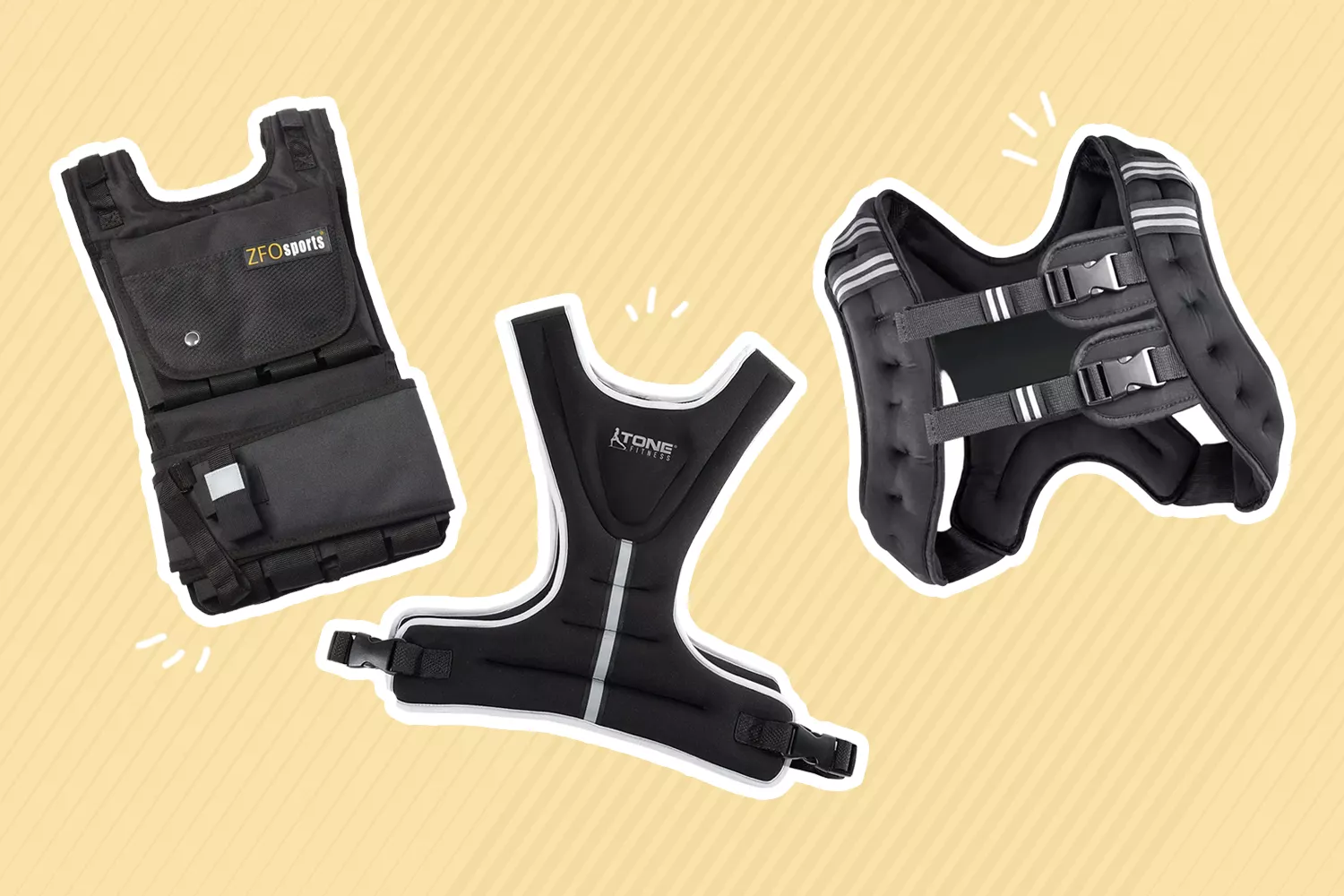
A weighted vest is a piece of fitness equipment designed to be worn on your upper torso to add extra weight, thus creating added resistance and intensifying your workouts. “Weight vests look like a regular vest-like garment but include attached or removable weights to add resistance to your frame,” says Roger E. Adams, PhD, doctor of nutrition and owner of eatrightfitness. “Using a weight vest while walking or doing other cardiopulmonary exercises may improve your endurance and lessen fatigue at faster speeds.”
Dr. Adams also points out that the added resistance provided by a weighted vest can help stimulate muscle, add more weight to weight-bearing exercises that improve bone density, and help you burn more calories as you have to work harder to move the extra weight around.
Verywell / Danie Drankwalter
Choosing the Right Weighted Vest
As with most fitness accessories on the market, there are a myriad of different types of weighted vests to choose from. Here, fitness pros share their best tips for choosing the right weighted vest for your workouts.
Weight
Naturally, the weight of the vest is a crucial factor for determining the level of resistance you can expect during your workouts, notes Ryan. He recommends opting for a weight that is challenging but manageable for your individual fitness level and goals. He also advises starting with a lighter weight and gradually increasing as you progress to prevent overexertion or injury.
Adjustability
Many weighted vests come with options for increasing weight increments or tightening or loosening the straps. These adjustment capabilities are important, as they allow you to customize the resistance level based on your preferences and workout intensity, notes Ryan. “Adjustable vests offer flexibility, enabling you to increase or decrease the weight as needed, ensuring a comfortable and effective workout experience,” he says.
Workout Type
Different weighted vests are designed for various types of workouts. For example, running vests are typically lightweight and streamlined. “They are often designed to minimize interference with your natural running stride and often feature breathable materials, minimalistic designs, and secure fastenings to prevent bouncing or shifting while running,” explains Ryan. “Running vests may have smaller weight capacities than other types, focusing more on comfort and mobility.”
There are also CrossFit vests, which are better for high-intensity interval training (HIIT). These vests are often adjustable and allow for heavier weight loads, explains Ryan. “They prioritize stability, durability, and versatility to withstand intense workouts,” he says.
Cardio vests are designed for lower-intensity cardio workouts like walking, hiking, or cycling to prioritize comfort, breathability, and weight distribution.
Comfort
As with most fitness accessories, comfort, of course, is key. “Every brand of vest has a different style and shape, so make sure a vest fits your body comfortably without rubbing, chafing, or restricting your movement,” says Elijah Markstrom, DIAKADI Advanced Performance Coach. He recommends paying close attention to where each vest stores additional weights. Fitting issues may occur as you increase the weight of the vest. “Adjustable shoulder and chest straps can often improve the fit and comfort of the vest,” he adds.
Material
Weighted vests are made of various materials, but you'll want to look for items made of high-quality, durable neoprene, nylon, and reinforced polyester. If you see a weighted vest made from cheap materials that have a strong odor, avoid it at all costs, notes Ryan. “ Ensure that the material is sturdy enough to withstand regular use and intense workouts without tearing or stretching over time,” he says.
Price
While price is a factor to consider, Ryan recommends prioritizing quality and functionality over cost alone.” Investing in a well-made, durable weight vest may require a higher upfront cost but can provide better performance, longevity, and safety in the long run,” he says. “Compare prices across different brands and models, keeping in mind the features and benefits offered by each option to make an informed decision that aligns with your budget and fitness goals.”
Getting Started with Weighted Vest Workouts
Since you are literally strapping weight to your body when using a weighted vest, it’s smart to start off lighter and work your way up to more intense exercise, notes Dr. Adams. “If you add too much [weight] too soon, it can lead to joint pain, especially in the lower back, knees, and even hips,” he warns. “It takes time for your body to adjust and learn to move with added weight, so you should start with 5 pounds and increase by 2 pounds each week until you are at a challenging weight that is still manageable.”
According to Ryan, gradually increasing the weight over time also follows the principle of progressive overload. He explains that this principle is essential for stimulating muscle growth, strength gains, and fitness improvements. “By progressively challenging your muscles with increasing resistance, you encourage continual adaptation and progress in your workouts,” he says.
When incorporating a weighted vest into existing workout routines, focus on form and modify your approach to account for the added weight. If you’re used to performing squats and lunges, focus on balance and maintaining proper alignment. You can also incorporate weight vests into plank variations to increase core activation and stability, explains Ryan.
Sample Weighted Vest Workout Routines
Here are some workout circuits that Ryan recommends using to kick off your use of a weight vest in your workouts.
Beginner Full-Body Circuit:
Goal: Introduce beginners to weighted vest training, focusing on building strength, stability, and overall fitness.
Circuit:
- Squats (10-12 reps): Wearing the weighted vest, start with your feet shoulder-width apart. Lower your hips back and down into a squat position, keeping your chest lifted and knees tracking over your toes. Press through your heels to return to the starting position.
- Push-ups (8-10 reps): Assume a plank position with hands slightly wider than shoulder-width apart, wearing the weighted vest. Lower your body by bending your elbows until your chest nearly touches the ground, then push back up to the starting position.
- Lunges (10-12 reps per leg): Stand tall, wearing the weighted vest. Take a big step forward with one leg, lowering your body until both knees are bent at a 90-degree angle. Push through your front heel to return to the starting position, then repeat on the other leg.
Complete 3 rounds of the circuit with 1-2 minutes of rest between rounds.
Endurance and Conditioning Circuit:
Goal: Improve cardiovascular and muscular endurance while building overall stamina and resilience.
Circuit:
- Burpees (10-12 reps): Wearing the weighted vest, begin in a standing position. Drop down into a squat position, place your hands on the ground, and kick your feet back into a plank position. Perform a push-up, then jump your feet back to the squat position and explosively jump into the air, reaching overhead.
- Mountain Climbers (20-30 seconds): Start in a plank position, wearing the weighted vest. Alternate bringing each knee toward your chest in a running motion, keeping your core engaged and your hips stable.
- Jumping Jacks (30-45 seconds): Stand tall, wearing the weighted vest. Jump your feet out to the sides while raising your arms overhead. Return to the starting position and repeat for the duration.
Complete 4 rounds of the circuit with minimal rest between exercises and 2-3 minutes of rest between rounds.
Strength and Power Circuit:
Goal: Develop strength, power, and explosiveness by incorporating plyometric and compound exercises with the weighted vest.
Circuit:
- Box Jumps (8-10 reps): Wearing the weighted vest, stand facing a sturdy box or platform. Bend your knees and hips, then explode upward, driving your arms forward as you jump onto the box with both feet.
- Weighted Pull-ups (6-8 reps): Find a pull-up bar or sturdy overhead structure wearing the weighted vest. Grip the bar with hands slightly wider than shoulder-width apart, palms facing away. Pull your body upward until your chin clears the bar, then lower yourself back down with control.
- Bulgarian Split Squats (10-12 reps per leg): Wearing the weighted vest, stand facing away from a bench or elevated surface. Place one foot behind you on the bench. Lower your body until your front thigh is parallel to the ground, then push through your front heel to return to the starting position.
Complete 3-4 rounds of the circuit with 2-3 minutes of rest between rounds.
Safety and Precautions:
As with the use of any exercise accessory, it’s important to follow safety precautions to avoid injury. Here are a few tips from fitness pros.
- Progress gradually: Ryan recommends starting with a lighter weight and gradually increasing the resistance over time to allow your body to adapt safely to the added load. “Sudden or excessive increases in weight can increase the risk of injury, so progress cautiously to prevent strain or overexertion,” he warns
- Maintain proper form: For your best chances of reducing injury, it’s smart to maintain proper form and technique. Ryan recommends focusing on maintaining alignment, stability, and control, especially when performing compound movements or high-impact exercises with the weighted vest.
- Listen to your body: If you feel discomfort or pain or notice that you’re especially fatigued after a workout, it might be a sign to slow down or take a rest day. “ Pushing through pain or ignoring warning signs can lead to injury, so honor your body's limitations and rest or modify exercises as needed to prevent injury and promote recovery,” says Ryan.
- Stay hydrated: As with any workout, it’s vital that you stay properly hydrated, especially if you’re wearing a weight vest, which can increase sweat and fluid loss, according to Ryan. “Proper hydration and rest are essential for overall health and well-being, particularly when engaging in challenging workouts with added resistance,” he says. If you're not a big water drinker, try adding electrolytes to your water.
A weighted vest is a wonderful addition to your workout routine. Not only can it increase stamina and functional fitness development, but it can boost your caloric burn and cardiovascular conditioning. As with any fitness accessory, it pays to be thoughtful when using a weight vest to prevent injury and overtraining. Start slow and listen to your body.
Comments on "How to Incorporate a Weighted Vest into Your Workout Routine" :
Leave a Reply
RECOMMENDED NEWS
How to Do a Pelvic Tilt

How to Do a Dumbbell Pullover: Proper Form, Variations, and Common Mistakes

We Found the 13 Best Zip-Front Sports Bras for Running, Spin Class, Yoga, & More

The 10 Best Protein Powders for Men, Researched and Tested

The 10 Best Walking Boots of 2025, Tested in the Rain, Snow, & Sunshine

Prescription and Over-the-Counter Diet Pills: What You Need to Know

Why You Donât Want to Use Lipozene

1-Week Balanced Meal Plan & Recipe Prep

7-Day Anti-Inflammatory Meal Plan
